
Let me hit you with something simple, but powerful: The Passion Score. It’s a concept that’s become a bit of a compass for me when I’m talking with parents or watching our young athletes grow.
Here’s the formula:
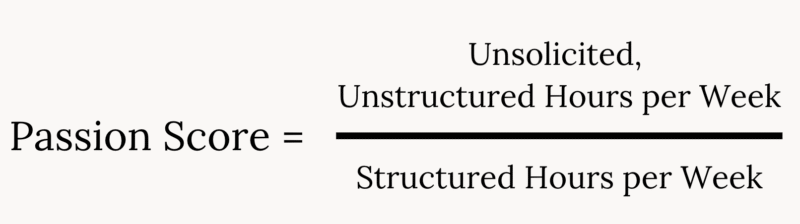
Multiply by 100 if you want to get fancy with a percentage. If that number is below 100%, we may need to rethink how much they truly love the game, or how much of their journey is being swallowed up by structure.
Why It Matters
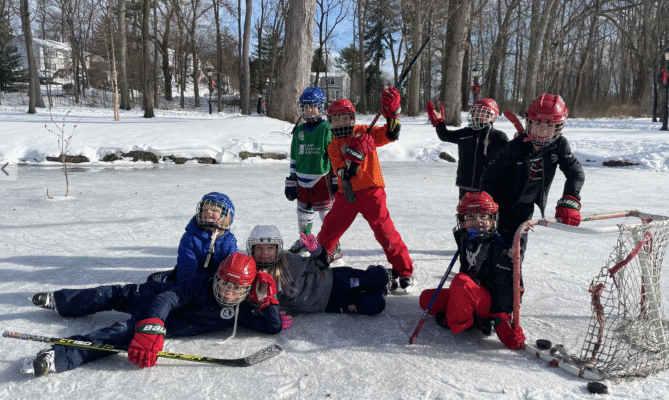
Passion isn’t built in 60-minute slots or passed down like eye color. It’s personal, deeply personal, and it shows up when no one’s watching. It’s those hours spent by choice out on a frozen pond in minus-10 weather, refusing to come back inside asking for 5 more minutes. It’s mimicking plays from game clips at bedtime. It’s organizing garage tournaments with friends and neighborhood kids, just for the love of it. That’s where the roots of passion grow. Without those moments, the structure becomes a cage instead of a ladder.
A Personal Check-In
I’ll be real with you—one of my kids gave me a gut-check on this. A few years ago, I had my oldest son (12 at the time) in the commitment of two practices and two games a week. He’d been playing hockey since he was 5, and it was the thing we did on weekends. It was our family’s commitment. He/we enjoyed the game. It was fun for him on many levels, seeing his friends, spending time with the team, traveling to fun places like Lake Placid.
But at some point, I started realizing he looked tired—not just physically, but mentally. I did the math: he had zero hours of unstructured practice. He wasn’t interested in free skates at the outdoor rink or shooting pucks in the driveway. He wasn’t reenacting NHL plays or watching highlights with that spark in his eyes when his favorite player scored a goal.
What did that tell me? Passion Score? Zero point zero. There was no Passion Score for hockey.
When it was time to go to practice, I was attuned enough to see the slightest sigh and shoulder drop. So, we backed off. Gave him room. Encouraged him to quit after the season.
You know what happened? Giving him the freedom and space to reevaluate his interests, he dove headfirst into physics, European history, and chemistry on his own time. That’s where his Passion Score was off the charts. That was his “driveway in minus-10 weather” moment. Just in a different arena.
Passion Can Be Found at Any Age
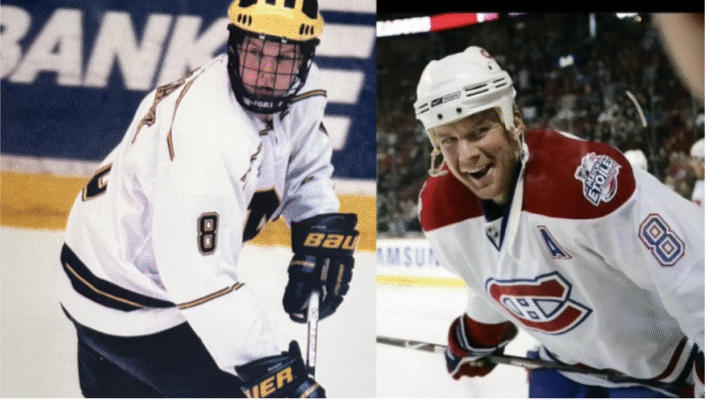
Your child is not too old to switch sports, try something new, or shift gears completely. Take it from Montreal Canadiens and Toronto Maple Leafs All-Star Mike Komisarek. While many of his later teammates and friends had a seven-year head start, Mike spent his early years exploring multiple sports. He didn’t even lace up a pair of skates until he was 12 years old. And once he found hockey? His Passion Index—and the mountain of extra practice he put in—helped him close that gap and then some.
We featured Mike’s story in one of our Illustrated books, Komo’s Grit Engine. It perfectly captures what we believe: it’s never too late to get fired up if the fire is real.
Grit Starts Here
We talk a lot about grit around here. Passion, commitment, and a “Find A Way” mentality. Those three ingredients are the base of everything. And stories from the pros prove it time and time again. You think they got there by only showing up when there was a whistle and a clipboard?
So ask yourself: What’s your kid’s Passion Score? And if it’s low, maybe it’s time to let them fall in love with the game again—or something else entirely.
Find. A. Way.
Greg
This article is part of our Mental Toughness & Grit: Complete Guide.

So hard to know when to push, and when to change course. Great framework for deciding.