Some players bring fire every shift; others skate flat. Why? It often comes down to passion, and that’s built not just on love for the game, but on the security to risk failure. Parents can help by focusing less on stats, and more on connection.
As a coach and a curious observer, I’m often standing on the edge of the rink watching players skate hard, dig for pucks, and battle—yet the effort levels vary wildly. One kid’s locked in: alert, hungry, fully alive. Meanwhile, another teammate is floating around aimlessly, only engaging in easy plays.
Why? Why does one kid show up ready to hunt, and another gathering low lying fruit?
I’ve had the chance to skate and skateboard alongside some of the biggest names in their sports. What sets them apart isn’t just talent or discipline. It’s passion—that hungry little beast inside that pushes them when no one’s watching.
At the Cube in NYC, I once watched Rodney Mullen repeat a 360 kickflip-to-nose-manual-to-nollie heel combo for over an hour. He was already landing it. But he just kept going. The point wasn’t the trick. It was the pursuit of his passion. (watch)
So: if passion is the difference-maker, where does it come from? And why does it run deeper in some kids than others?
Passion Brings Anxiety (And That’s Not a Bad Thing)
The deeper you care, the more you risk—and the more anxiety you’ll feel. That’s not a bug; it’s the fuel. Passion and anxiety are tied together.
Dwyane Wade’s emotional love letter to basketball (click here) says it all. He doesn’t focus on highlights—he talks about heartbreak, rejection, and staying in the game when it felt cruel. That’s passion. It’s raw. It’s vulnerable. And yes, it comes with anxiety.
In hockey terms: when a kid’s getting knocked down in a drill, getting up, and going again—that’s passion meeting failure. If there’s no desire to take on the anxiety of failure, maybe there’s no deep love yet. Or maybe… it’s not safe enough to risk failing.
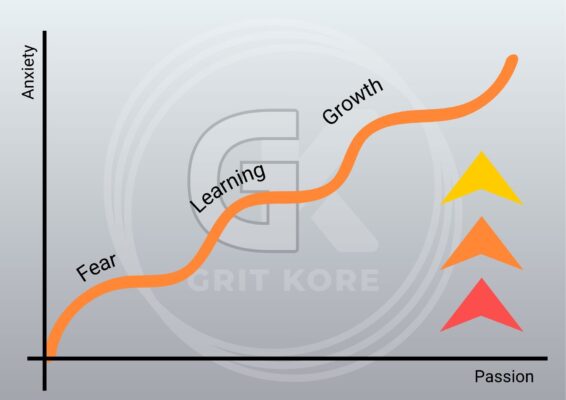
To help understand this, let’s look at the upward sloping relationship between passion and anxiety. As passion goes up, there are new levels of anxiety that a person has to accept:
The Key: Unconditional Love First
So where does deep caring come from?
To explore that, I talked with my good friend Scott Moulson (“ScoMo”), father of three elite hockey players—including an NHLer. What struck me most wasn’t his hockey knowledge—it was how he spoke about his kids. With pride. With emotion. With zero mention of stats or scholarships. Rather, he focused on imparting the Code and pushing effort.
He loves his kids with or without the accomplishments.
That’s the key. That’s the oxygen for passion.
When a kid knows—truly knows—they are loved before the goal, before the win, before the “good game,” they’re free to go all in. To stumble. To fight. To risk everything, knowing they’re safe.
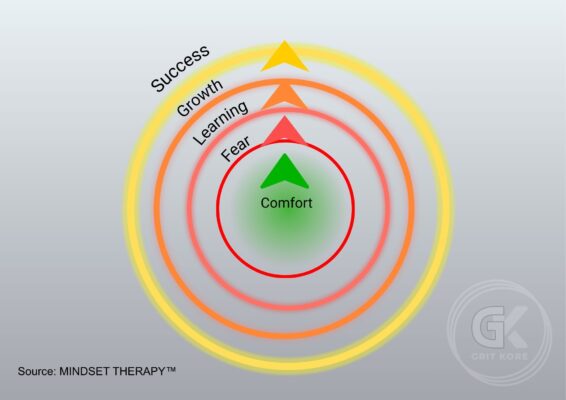
Make It Safe to Care Deeply
If your kid’s effort feels inconsistent, or if they “lack drive,” try asking:
Have I made it safe enough for them to care deeply?
A kid afraid to miss won’t shoot.
But a kid who feels safe, seen, and supported? That’s a kid who’ll take the shot—even if they miss. That’s a kid who stays after practice. Who welcomes and fights through the next level of anxiety.
Don’t get me wrong, there are hard lessons and truths that must be told. The game is hard. The game is honest. And if a player isn’t staying true to the Code, there is a time and place for a harsh reality check (just ask ScoMo about that!)
But the most important points ScoMo insisted on was his attunement and balancing when the kids needed a push or needed a friend.
Passion doesn’t start on the ice.
It starts at home.
So hug them. Embrace the Code. Celebrate the risk—not just the result.
Find. A. Way.
— Coach Greg
Check our Featured products!