
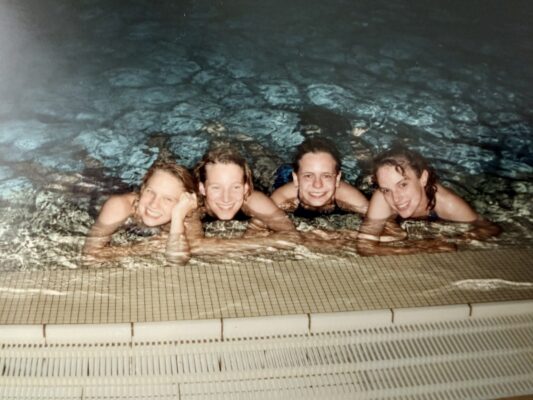
I was 14, sitting behind the starting block, staring down my lane with a death stare. 90’s hip hop in my Walkman, goggles on, everything else fading out.
From the outside, it looked like I was just waiting for the race to start.
On the inside, I was doing something completely different.
I was calming my mind, controlling my breath, and silently rehearsing every stroke. I didn’t know the term “mental training” yet—but that’s exactly what it was. My coach had simply said:
“Close your eyes and visualize your race.”
That one cue became my first real lesson in how powerful the mind can be under pressure.
What Is Mental Training?
Mental training is any intentional practice that helps you strengthen your mind the way physical training strengthens your body. It can include:
- Visualization – mentally running through skills, plays, or races
- Breath work – using breathing to calm your nervous system and reset
- Self-talk – the way you speak to yourself before, during, and after performance
- Focus training – learning to tune out distractions and stay present
You don’t need to be a pro to benefit from this. Youth athletes, parents, coaches, and even people in high-pressure jobs all perform better when their mental game is strong.
Elite Athletes Do This Too
Most top athletes don’t just train their bodies—they train their minds.
Michael Phelps famously visualized each race before he ever hit the water: every stroke, every turn, every breath. Tennis champions, gymnasts, NHL veterans, and basketball stars do something similar. They use mental training to:
- Handle pressure
- Recover quickly from mistakes
- Stay confident and composed
- Protect their well-being in high-stress environments
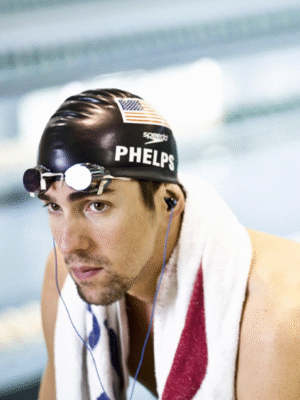
“I would probably visualize a month or so in advance, just of what could happen, what I want to happen, and what I don’t want to happen” – Michael Phelps
Mental strength isn’t about being “tough.” It’s about having tools you can rely on when the moment gets big.
Why It Matters for Young Athletes (and Everyone Else)
At Grit Kore, we hear the same concerns again and again:
- Kids feel pressure from school, sports, and social media
- Parents worry about burnout
- Coaches see talented players shut down when things get hard
Mental training gives kids (and adults) a way to handle all of it.
The skills they practice in sports—focus, staying calm, bouncing back—don’t stay on the ice, turf, or pool deck. They show up in:
- Exams and tests
- Tryouts and auditions
- Job interviews and presentations
- Tough conversations and leadership moments
When we teach mental skills early, we’re not just building better athletes. We’re building more resilient humans.
A Simple Reset You Can Use Anywhere
Here’s the good news: mental training doesn’t have to be complicated, expensive, or time-consuming.
You don’t need a personal coach, a fancy app, or hours of silence.
You need about 30 seconds.
Try this simple breathing reset:
- Put your feet on the ground.
- Inhale slowly through your nose for 4 seconds.
- Hold for 2–3 seconds.
- Exhale gently through your mouth for 6 seconds.
- Repeat 3–5 times.
This tiny routine can help:
- Lower stress and anxiety
- Steady your heart rate
- Improve focus and reaction time
- Boost creativity and problem-solving
- Support better sleep and recovery
You can use it on the bench before a shift, in the locker room before a game, at your desk before a test, or in the car before a big conversation.
The Grit Kore Project: Stronger Minds, One Breath at a Time
As part of the Grit Kore Project, our goal is to make mental strength training simple and accessible for athletes, parents, and coaches.
We share:
- Quick breath work routines
- Easy visualization drills
- Practical mindset tools for handling pressure and bouncing back
Mental training doesn’t need to be perfect. It just needs to be practiced.
Balance starts with a single breath. The more we use it, the more we realize that mental strength isn’t just for pros—it’s a daily skill that anyone can build, at any age, in any sport, and in any area of life.
Follow the Grit Kore Project for simple mental strength tips and exercises you can start using today—on the ice, on the field, in the classroom, and beyond.
Find. A. Way.
Anika
Related: What Is Hockey IQ? — understanding game intelligence is the foundation that makes mental training work. Also see the Hockey Parents Resource Guide for more.
Grit Kore Workbooks
Give Your Child a Real Mental Edge
The Hockey IQ workbook builds the mental game — confidence, decision-making, and game intelligence — through structured exercises your child can work through at home.
See all resources: Hockey Parents Resource Guide
This article is part of our Mental Toughness & Grit: Complete Guide.

Pingback: The Unifying Theory in Defining Hockey IQ - Grit Kore