
Welcome to Athlete Nutrition, the newest corner of the Grit Kore parent library.
Here’s the idea behind it. Hockey IQ isn’t only about reading the play. Reading the play takes a brain that’s fueled, legs that have energy, and a body that recovered from yesterday. That’s why every week of the Hockey IQ book ends with a nutrition tip. Over the next nine posts we’ll walk through those tips one at a time, in plain language, with a simple recipe a player can make without a parent standing over the stove.
Why nutrition is part of Hockey IQ
Ask a 12-year-old after a bad shift: were you hydrated or dehydrated? Fueled or hungry? Rested or tired? The answer usually explains the shift better than anything a coach could draw on a whiteboard. Fuel affects decisions. A hungry brain reacts slower, a dehydrated body skates heavier, and a player who skipped breakfast is running on fumes by the second period.
Balanced nutrition is the foundation everything else is built on. It fuels training, supports recovery, and helps kids perform at their best on and off the ice. Just as important, learning how to eat well at 11 or 13 builds a lifelong skill that supports health and confidence for years.
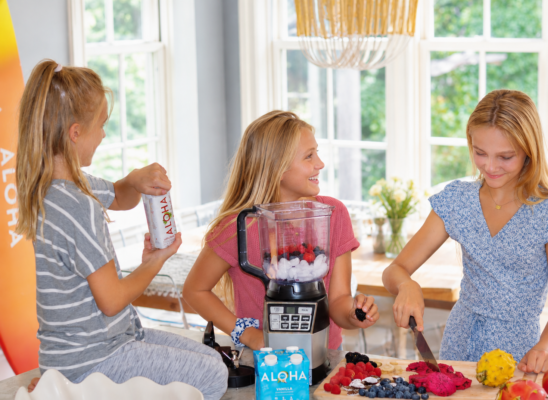
That last part is the one I’d underline. Teaching kids about nutrition, and letting them learn how to prepare and cook their own food, sets up an advantage that lasts long after the last youth hockey game. Think ahead to the time when you’re not around for every meal, because it comes faster than you expect: the tournament weekend when the 13 year olds make their own choices at a different table away from the parents, the boarding school dining hall, the prep school or college cafeteria… Bottom line, the athlete who knows what a pre-game plate looks like, who can build a recovery meal out of any buffet line, and who can make herself breakfast at 6:00 am without anyone standing over her, carries that with her everywhere. That’s why every post in this series ends with a recipe the player makes, not the parent.
The color code
In the book, every food gets a color so kids can see what it does at a glance:
- 🟥 Protein — builds and repairs muscle
- 🟨 Carbs — energy for fast legs and a sharp brain
- 🟧 Healthy fats — long-lasting fuel, hormones, recovery
- 🟩 Vitamins & minerals — bones, immune system, cramp prevention
- 🟪 Antioxidants — clean-up crew after hard training
- 🟦 Hydration — everything works better with water
We’ll use the same colors in every post. Once kids learn them, they start building their own plates.
Daily targets for ages 11–15 (general guidelines, not strict rules)
- Protein: 0.7–0.9 g per pound of body weight per day (a 100 lb athlete = 70–90 g), spread across meals and after training, not right before a game
- Carbohydrates: 2–3 g per pound of body weight per day, higher on practice and game days
- Fats: about 20–30% of daily calories, mostly unsaturated (olive oil, avocado, nuts, seeds, nut butters, salmon)
- Hydration: water consistently through the day; pale yellow urine usually means you’re on track
Needs change with body size, growth, training load, and position. The goal is consistent fuel, not perfection. Small, healthy choices made every day add up.
One rule to skip the energy drinks
Energy drinks are not recommended for kids or teens. They don’t create real energy, they just stimulate the nervous system, and the caffeine and sugar can disrupt sleep, increase anxiety, and hurt recovery. Real energy comes from food, water, and good sleep.
FIND. A. WAY.
Anika

Pingback: Pre-Game Fuel Basics: What to Eat 2–3 Hours Before Puck Drop - Grit Kore
Pingback: - Grit Kore
Pingback: Protein Timing: Big Protein Earlier, Quick Carbs Closer to Game Time - Grit Kore
Pingback: Carbs for Hockey Players: Fuel Up for Game Day | Grit Kore
Pingback: Post-Game Recovery for Young Hockey Players: The 60-Minute Window | Grit Kore
Pingback: Breakfast Youth Hockey Players: Don't Skip It | Grit Kore
Pingback: Quick Energy and Focus: Fast Energy Fuels Fast Reactions - Grit Kore
Pingback: Brain Fuel: A Fueled Brain Reacts Faster - Grit Kore